The Future of AI Pair Programming in 2026
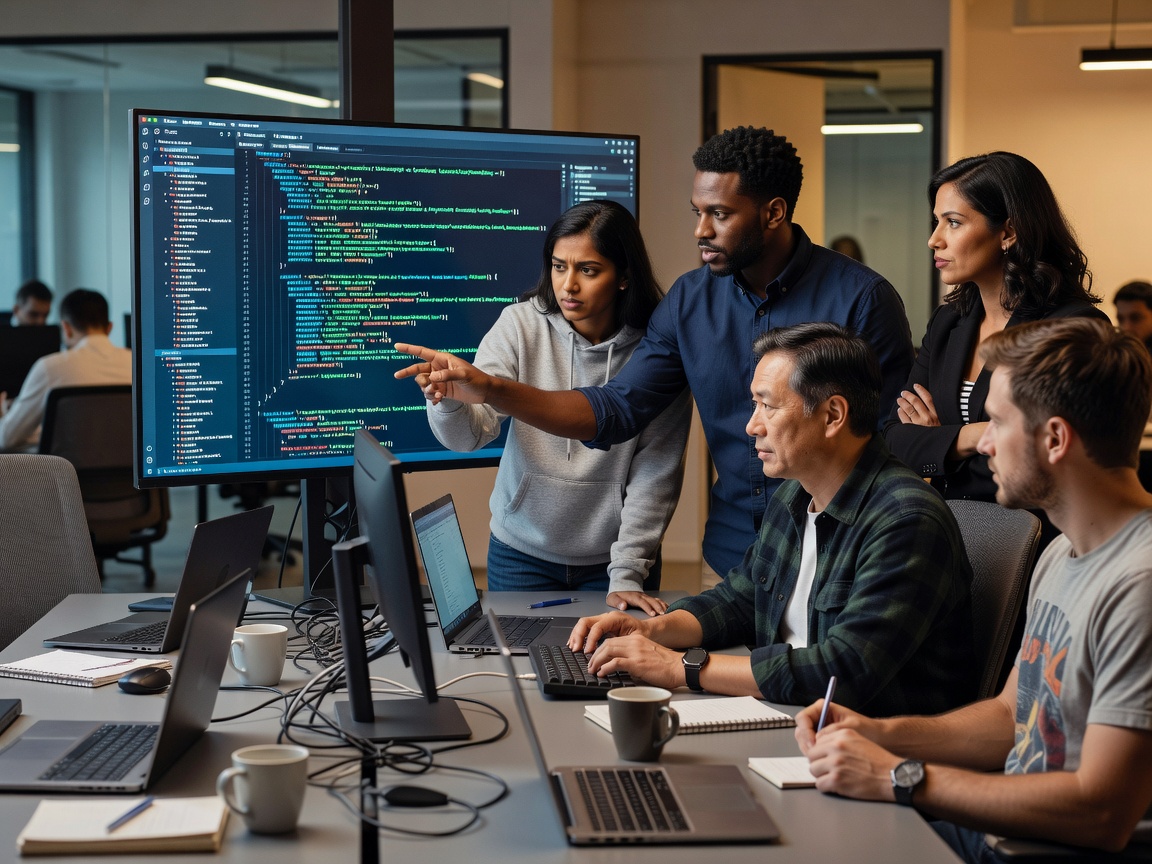
Software development has crossed a crucial tipping point in 2026. AI code completion models are no longer novelty auto-suggest engines—they have evolved into active agentic teammates capable of reading entire repository graphs, predicting edge cases, and proposing refactored PRs.
From Single-Line Autocomplete to Autonomous Systems
In the early days of AI coding assistants, models evaluated only immediate surrounding lines of code. Today's tools like Cursor AI and Claude 3.5 Sonnet maintain context windows of hundreds of thousands of tokens, indexing local abstract syntax trees (AST) and dynamic framework imports.
This contextual leap enables developers to move from typing syntax to specifying architectural contracts. The role of the engineer is transitioning from manual typist to high-level system architect and reviewer.
Impact on Senior vs. Junior Engineering Velocity
Data from internal benchmarks indicates that senior engineers leverage AI tools to eliminate repetitive setup, speed up unit test coverage by up to 300%, and explore API integrations rapidly. However, engineering leaders must remain vigilant: over-reliance on AI without deep understanding of underlying runtime fundamentals can lead to subtle logic debt.
Conclusion
The engineering teams that thrive in 2026 will not be those that fight AI automation, but those that establish strict benchmarking frameworks, continuous integration validation, and prompt hygiene rules across their repositories.